
Collection
Pilates Tower
Pilates Tower
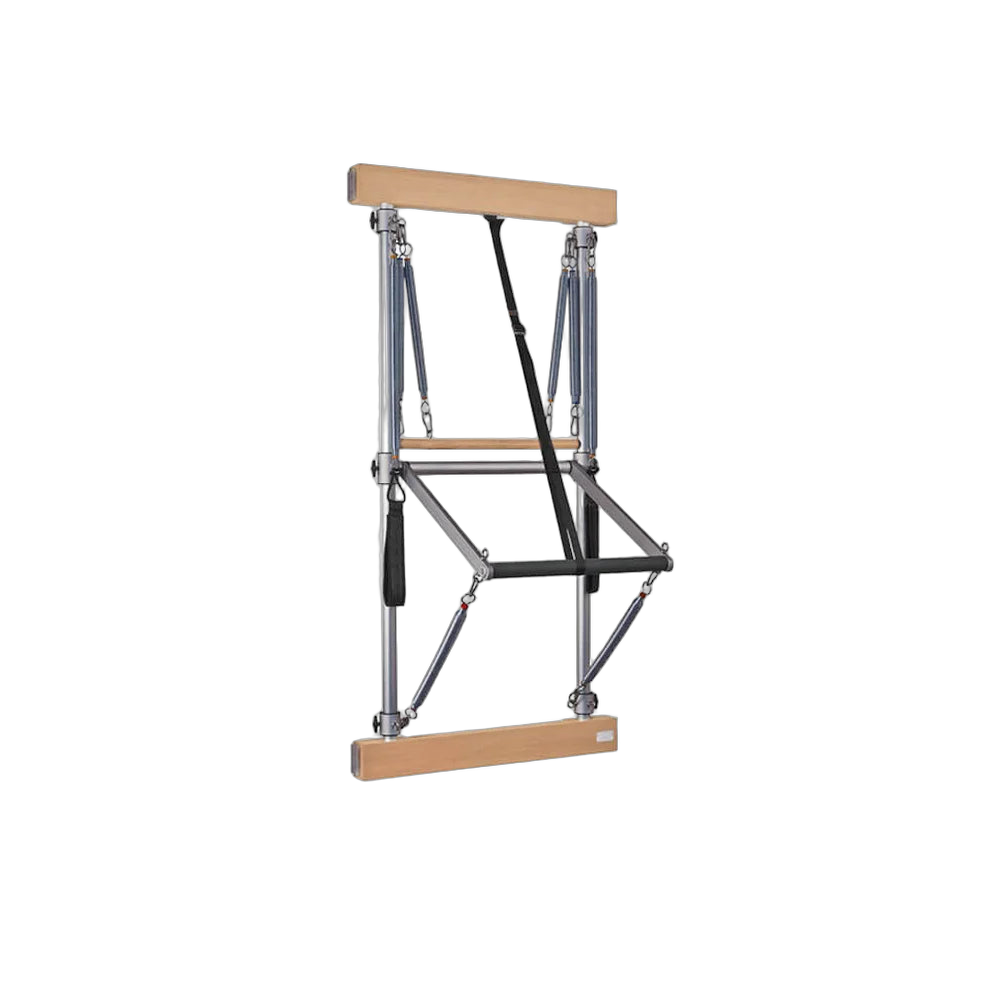
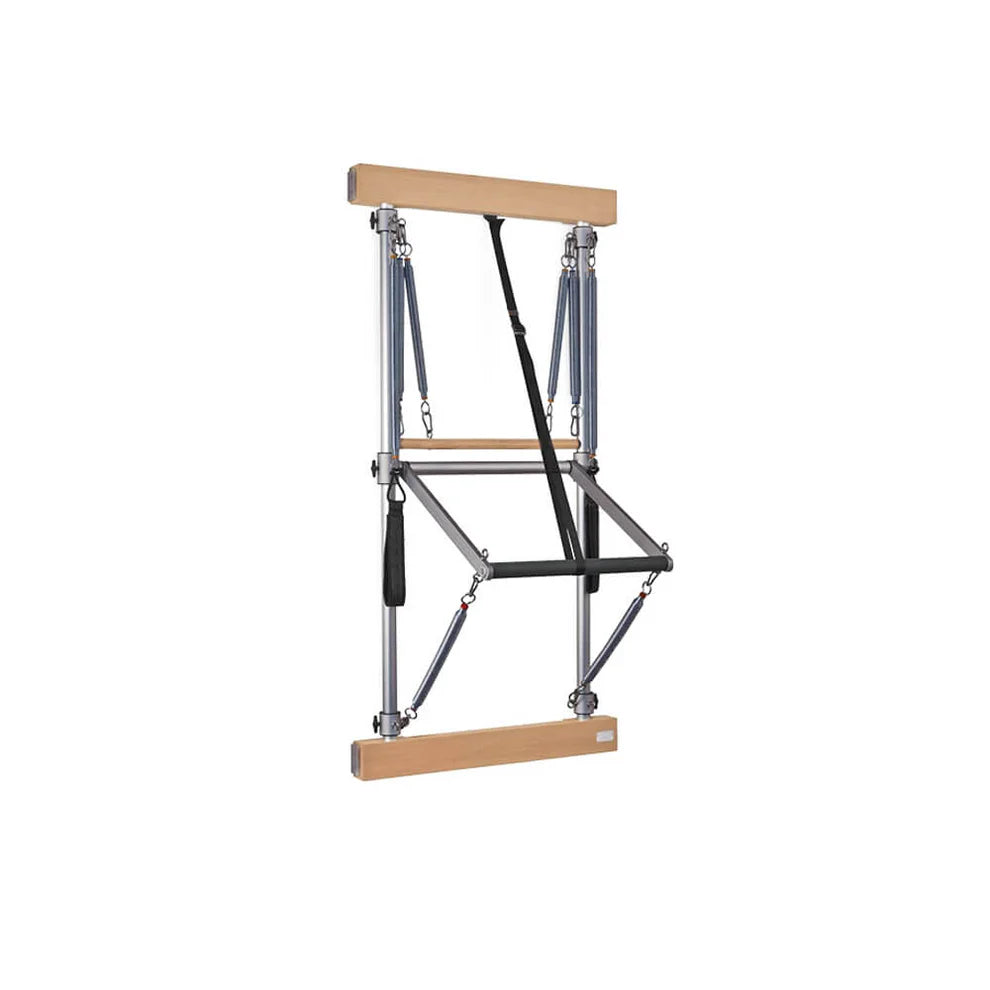
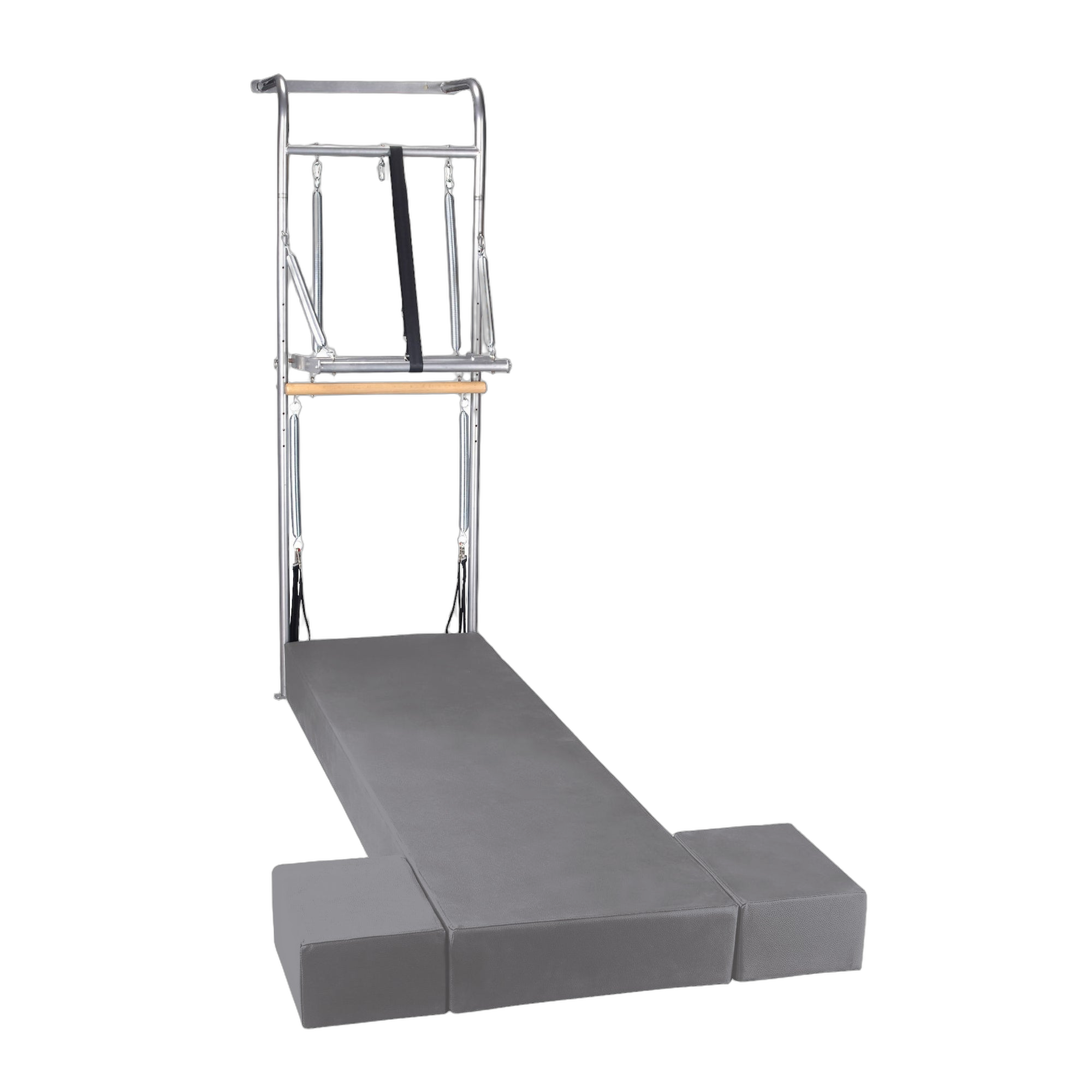
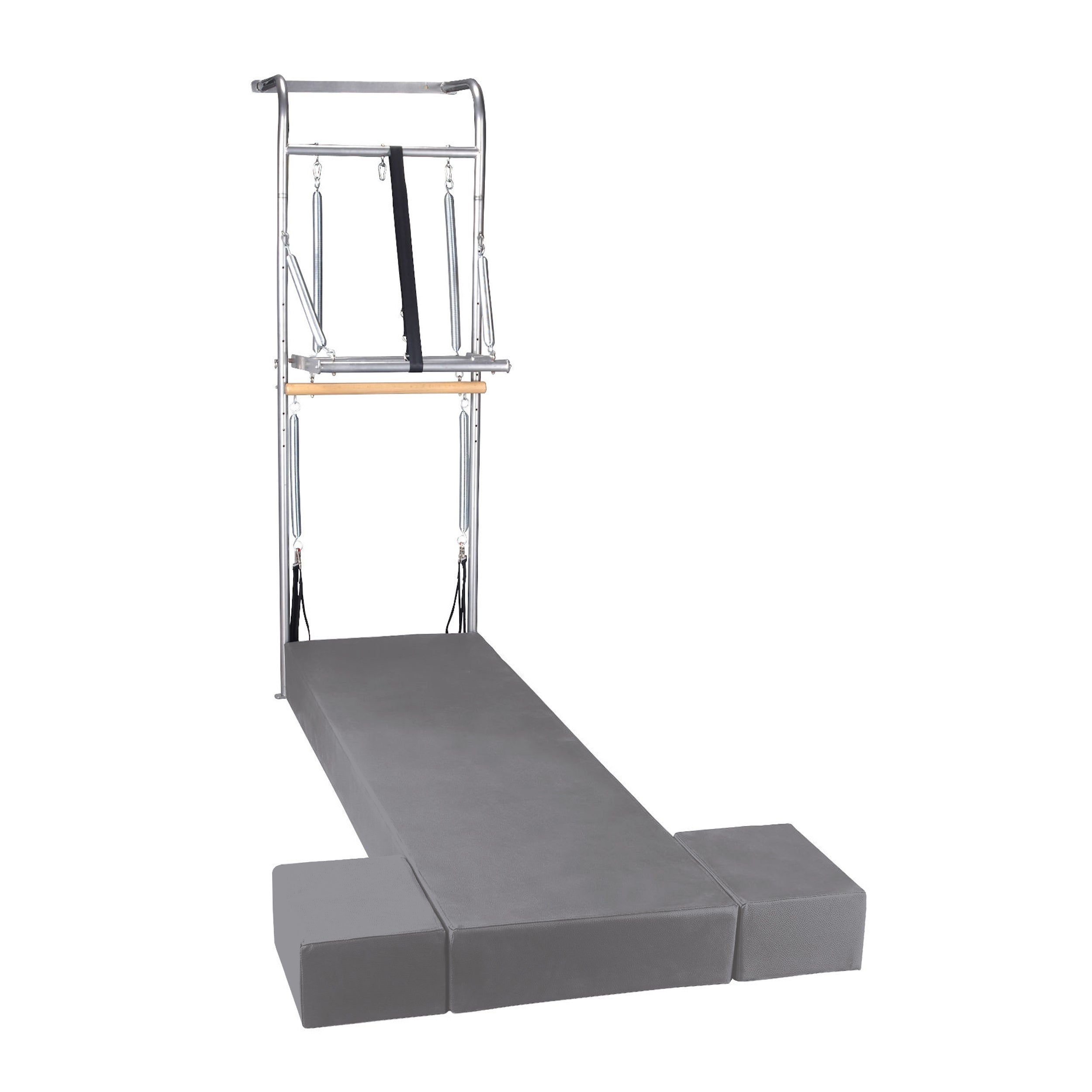
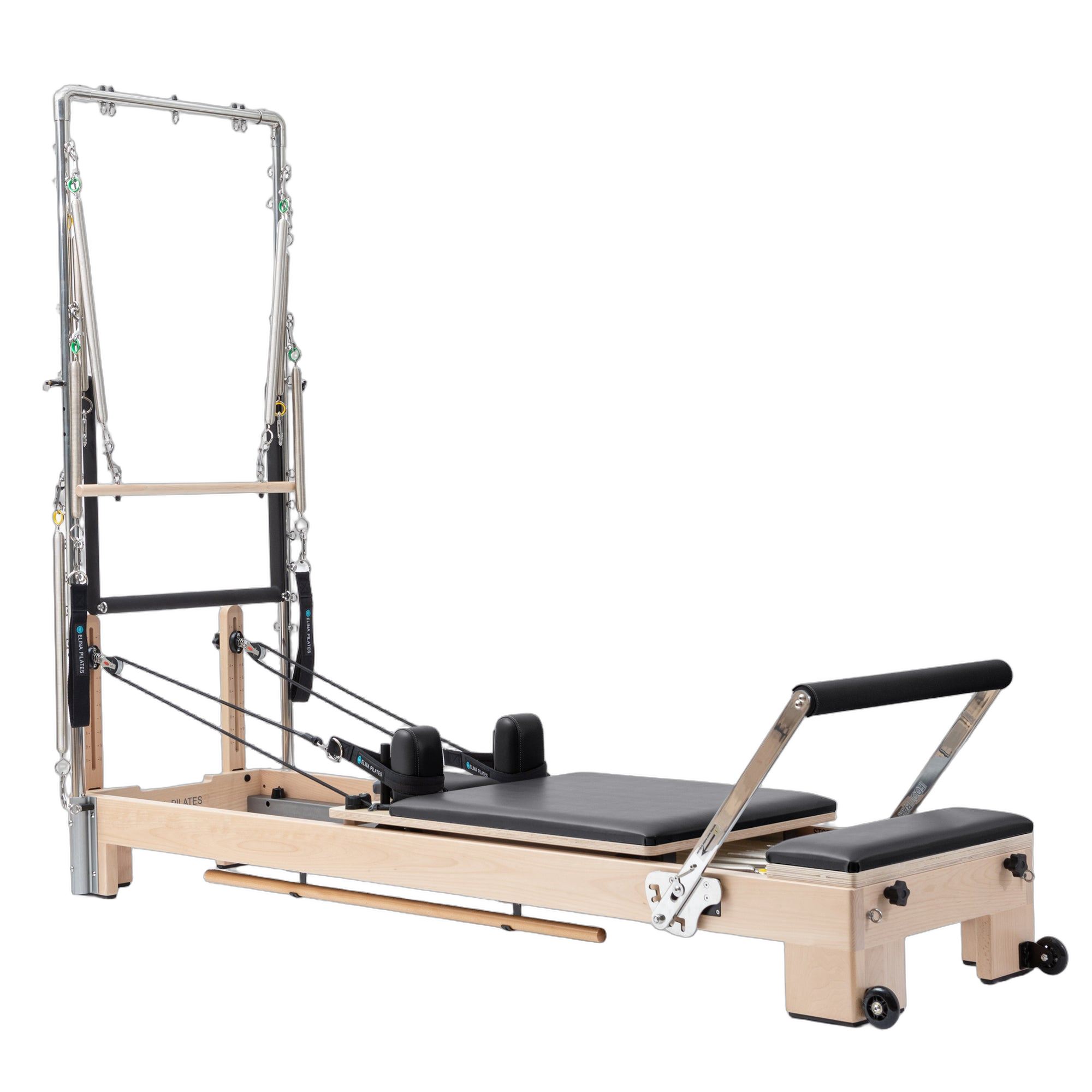
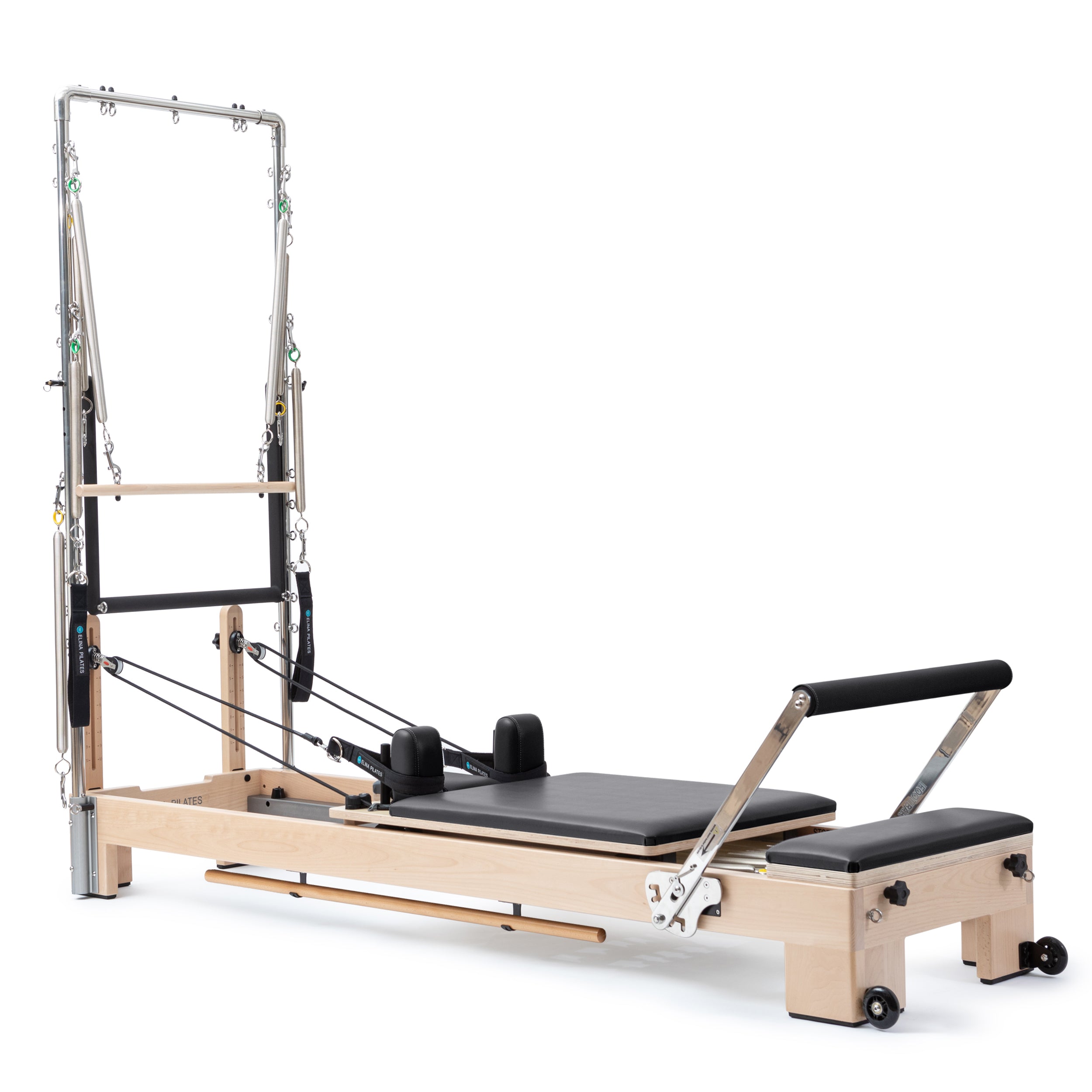
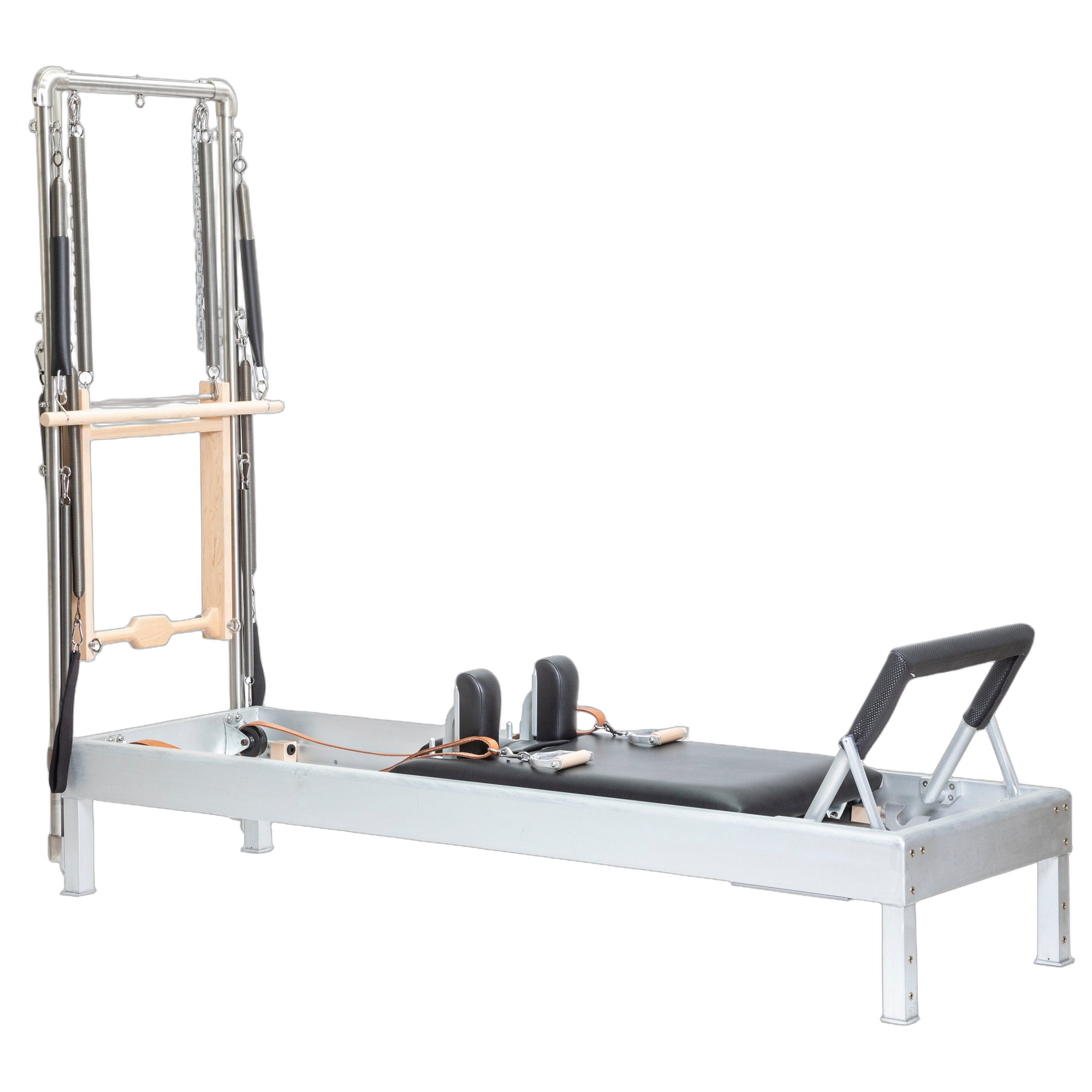
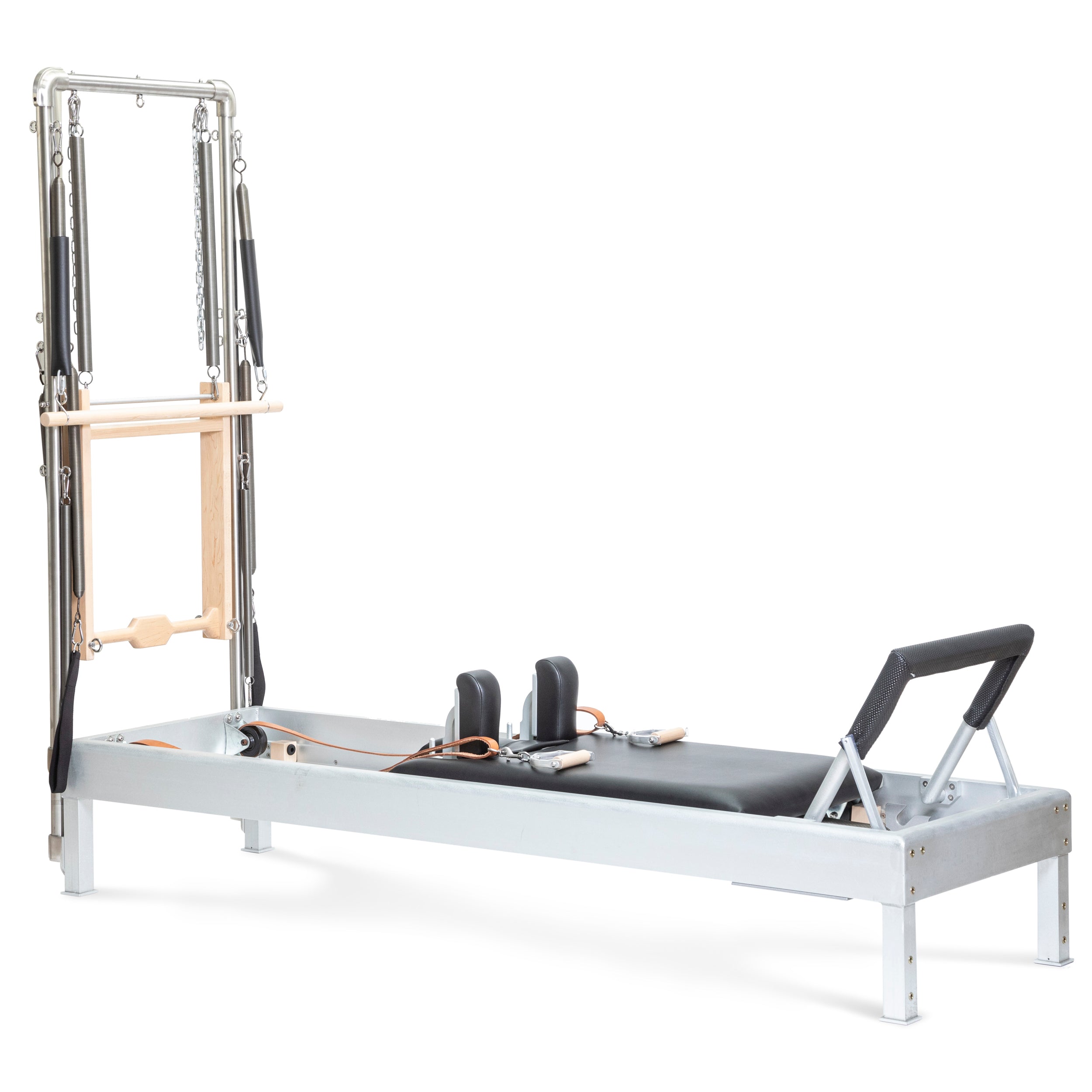
A Pilates tower is the vertical half of a cadillac: an upright frame carrying a push-through bar, a roll-back bar and arm and leg springs, worked from a mat or platform in front of it. This collection covers standalone wall units from BASI Systems and Elina Pilates plus reformer-and-tower combinations for one-machine rooms.
How to choose a Pilates tower
If the tower is the whole purchase, the wall-mounted route is the most space-efficient. The BASI Systems Wall Tower and Wall Unit and the Elina Pilates Wall Unit anchor to a wall and work with the floor in front, so in use they occupy space the room already had. Studios line several along one wall for group tower classes.
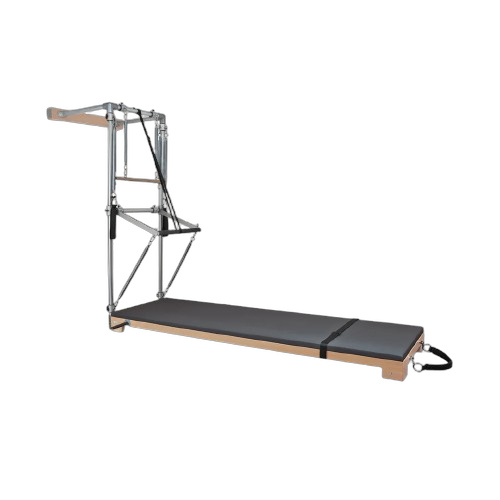
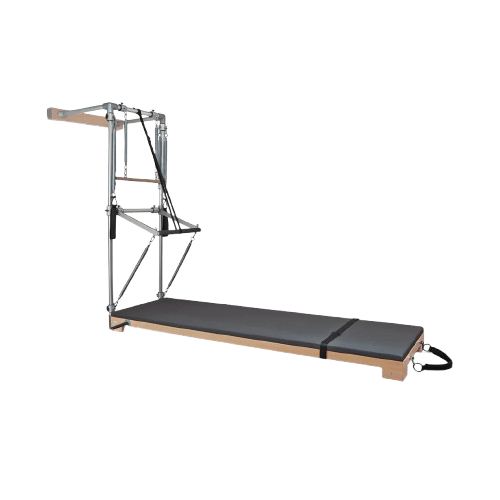
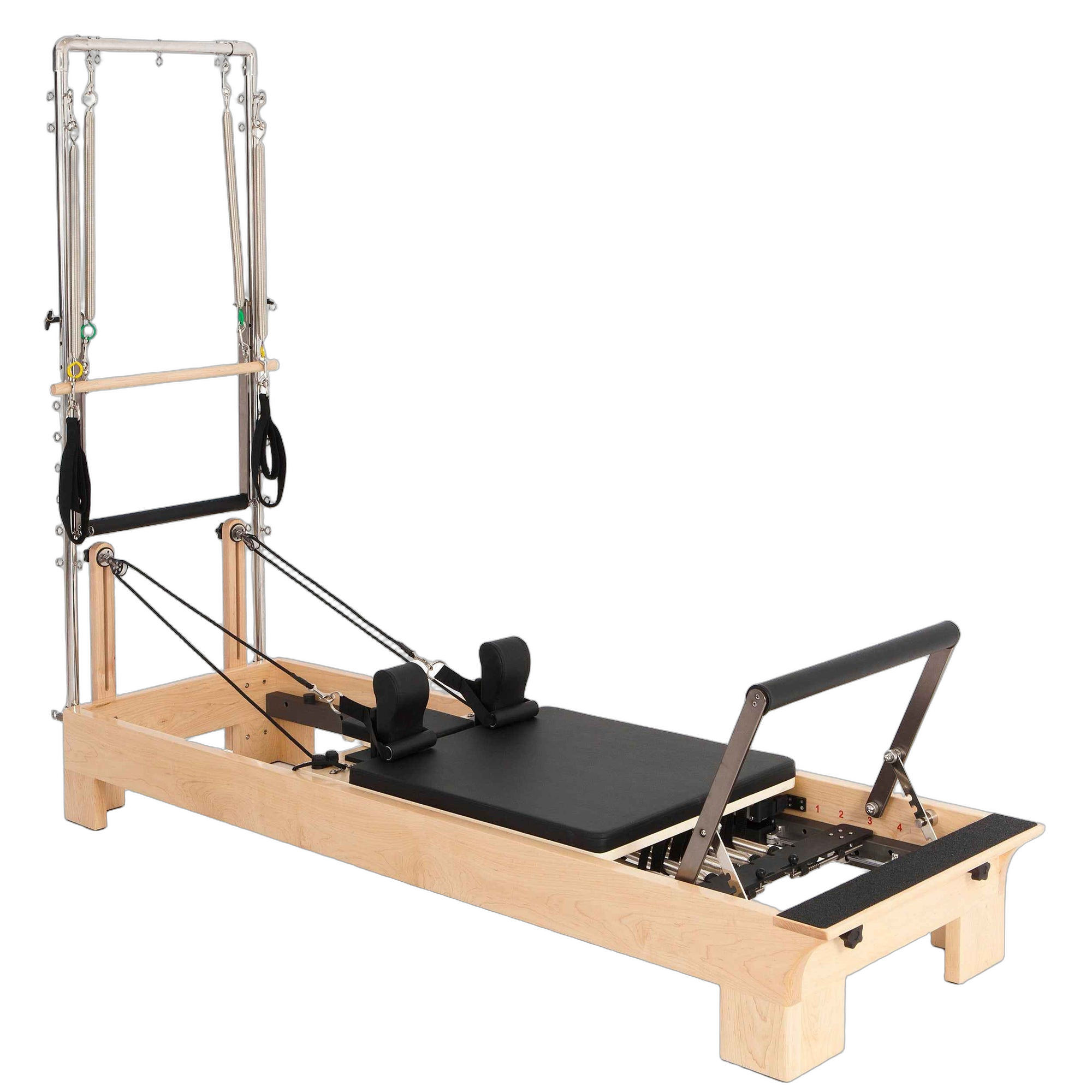
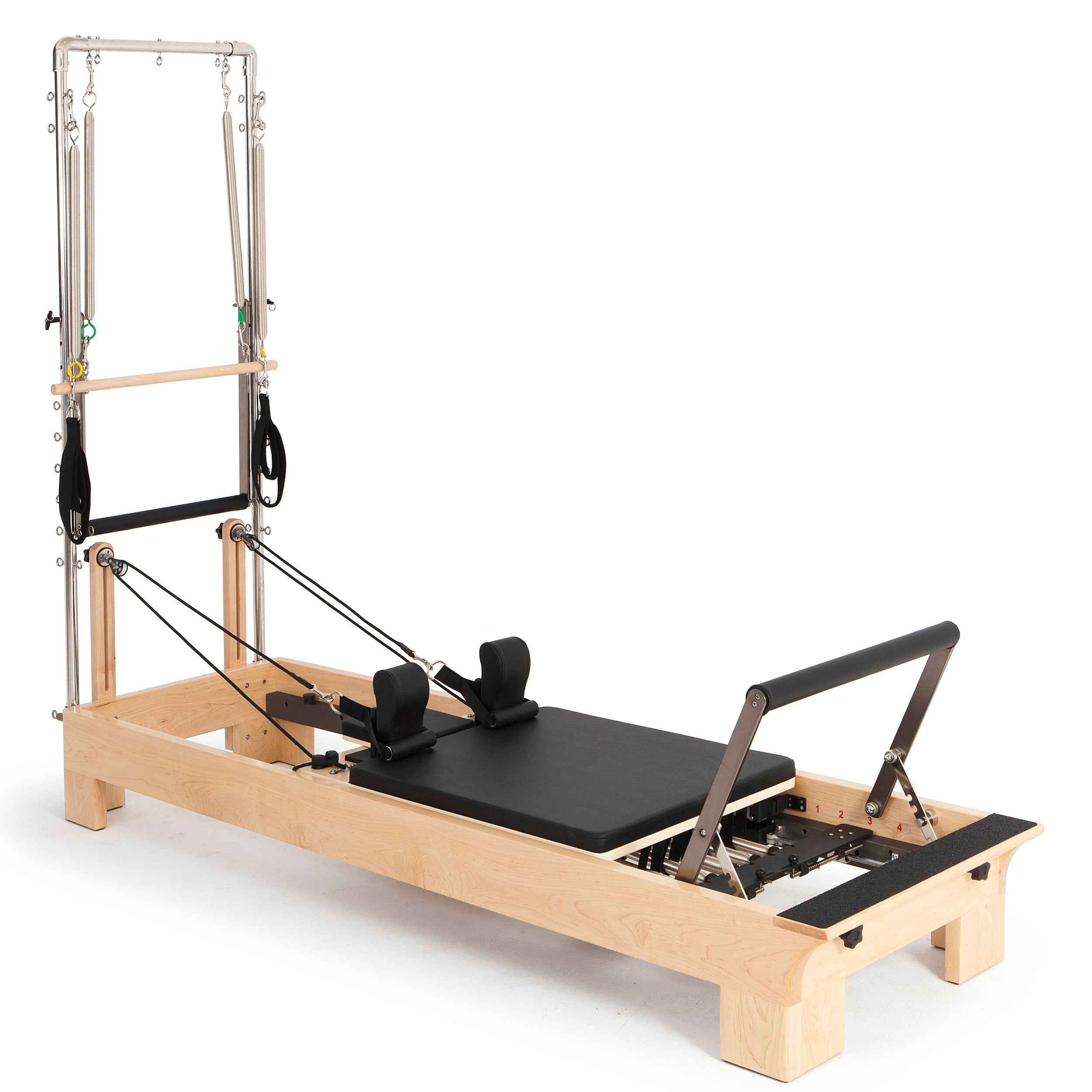
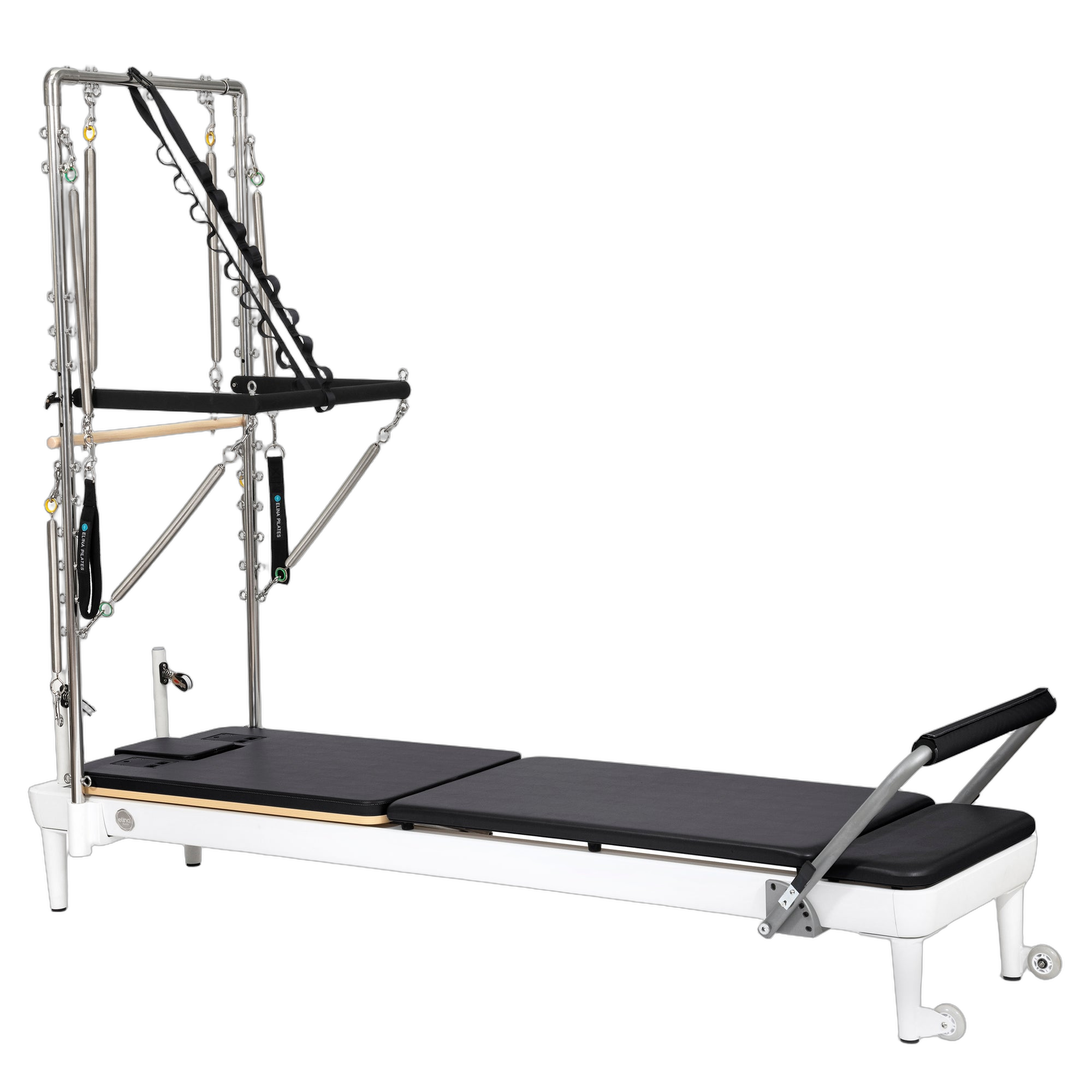
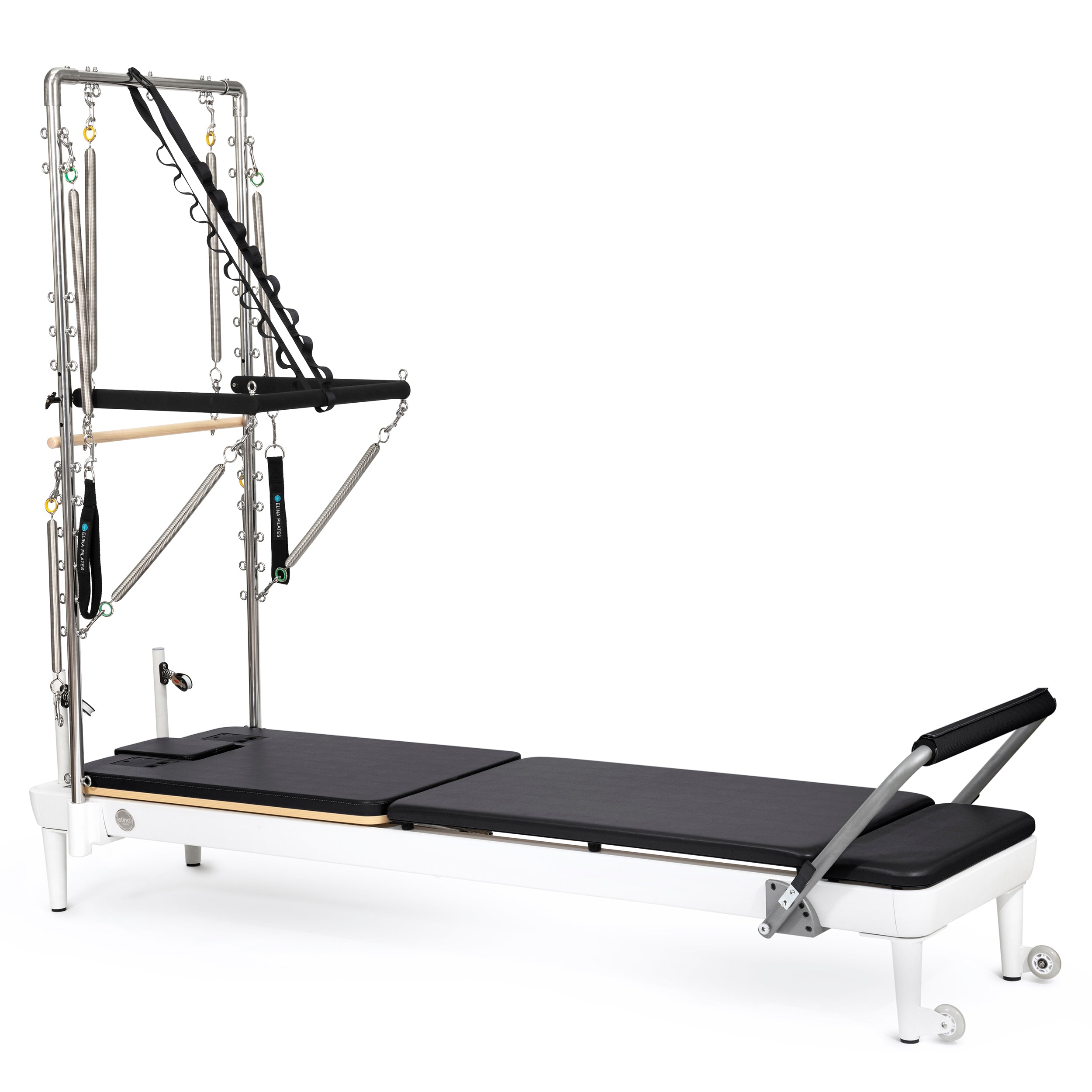
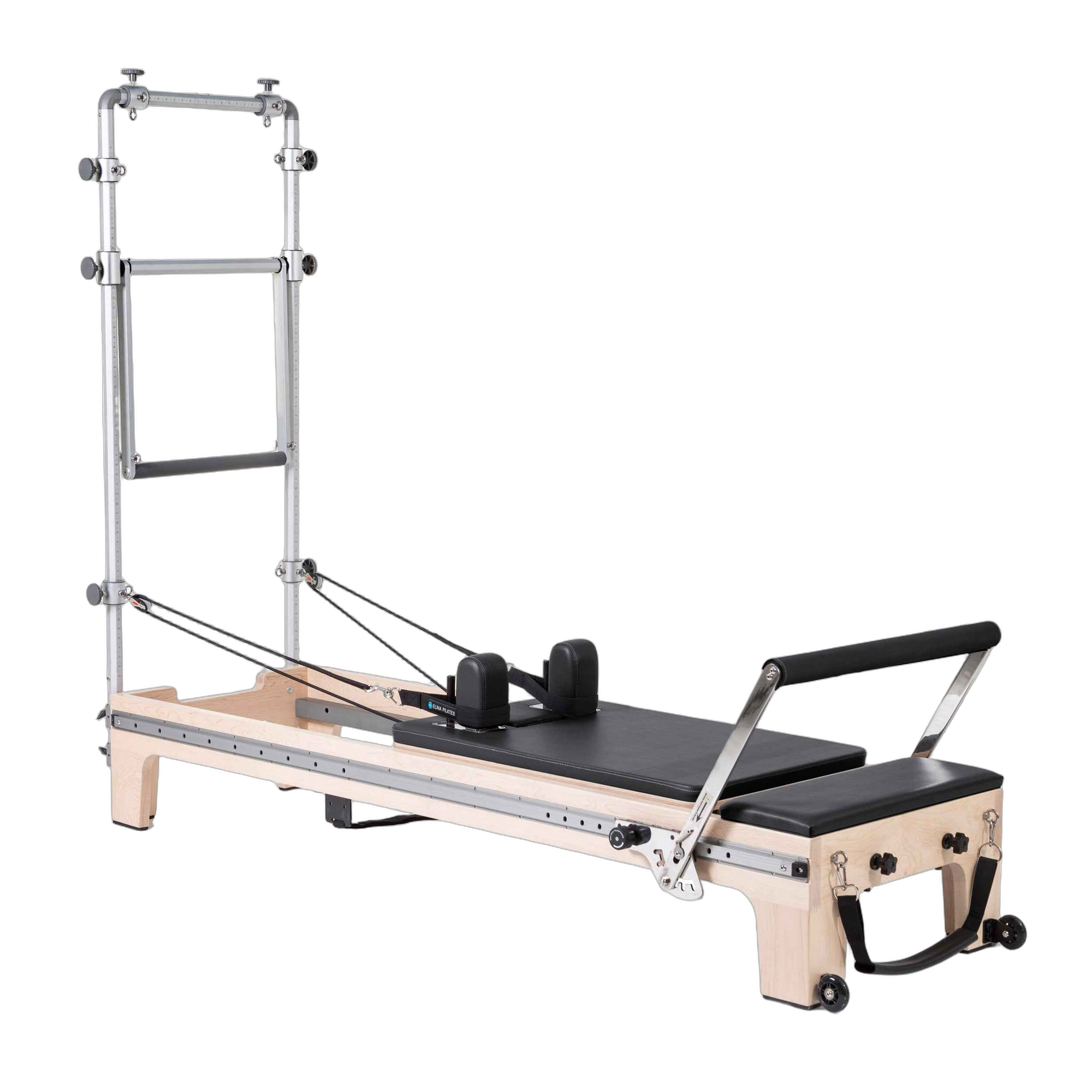
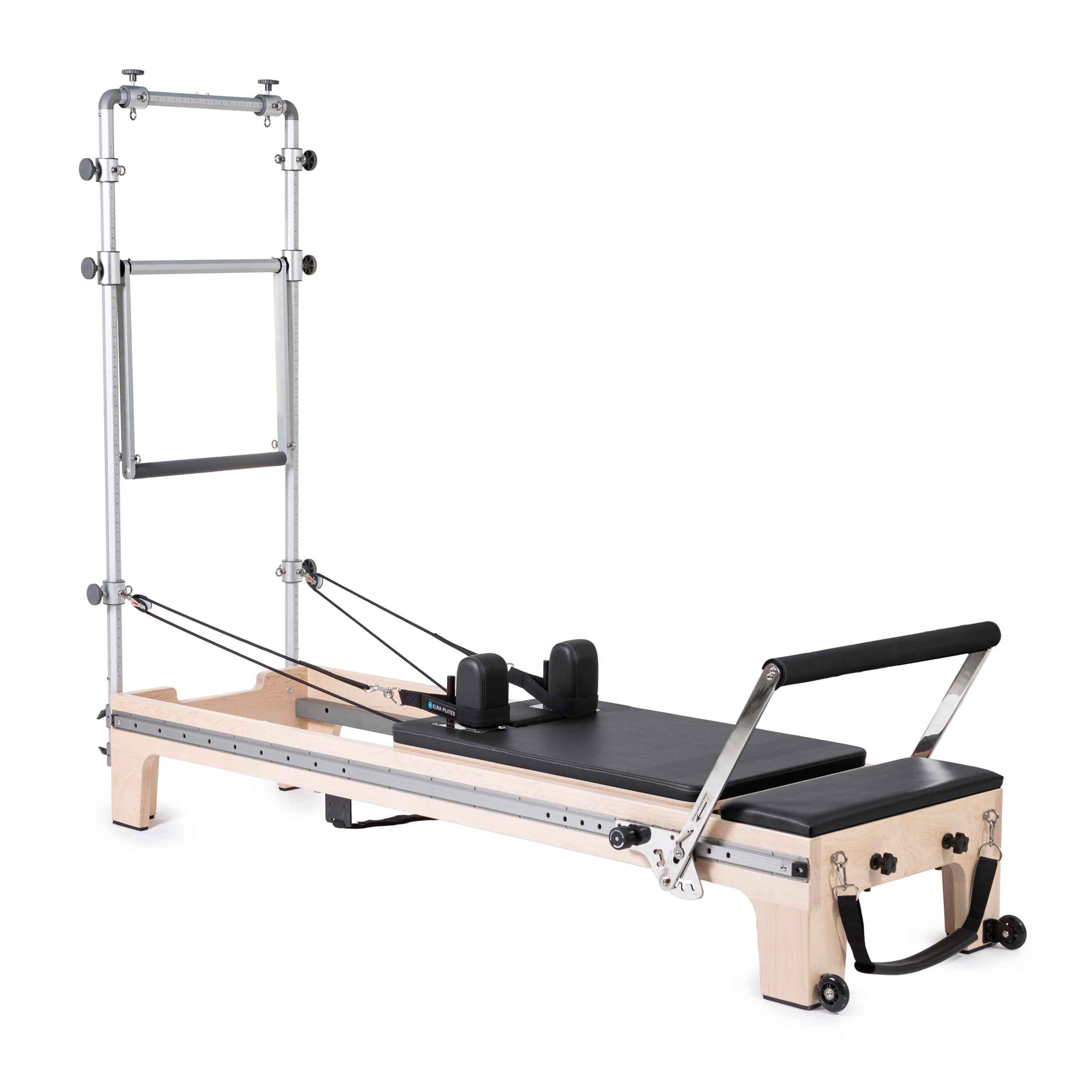
If you also want a carriage, buy the combination rather than two machines: Elina's Lignum, Classic Aluminum, Master Instructor, Nubium and Wood Reformer tower versions are all here, and the complete field lives in reformers with towers. For the full overhead frame and raised table, step up to a cadillac.
Warranty and delivery
BASI Systems covers wooden frames and structural components for 10 years with 2 years on springs and metal profiles; Elina Pilates covers frame components for life with 2 years on the rest. Free curbside freight within the continental US; full terms in the warranty and returns policy.
Frequently asked questions
What is a Pilates tower?
A vertical frame fitted with the spring-loaded bars of a cadillac, the push-through bar and roll-back bar among them, plus arm and leg springs. It delivers resisted work for arms, legs and spine in a fraction of a cadillac's footprint, either fixed to a wall as a wall unit or attached to the end of a reformer.
What is the difference between a tower and a cadillac?
The cadillac adds a raised table and a complete overhead frame, which brings trapeze work and table-height teaching into play. The tower keeps the most used spring and bar exercises and gives up the rest in exchange for floor space. For many rooms the tower covers what actually gets used.
Do wall towers have to be fixed to the wall?
Yes. Wall units and wall towers are built to anchor to the structure, which is what keeps them stable under spring load. Confirm what your wall is made of before ordering and we will check the mounting requirements for the model with the manufacturer.
Tower or reformer, which comes first?
The reformer is the usual centerpiece, and most equipment classes assume one. A tower comes first when vertical spring work is the priority or the room cannot take a carriage. The combinations in this collection are the way to stop choosing.
Filters
Frequently Asked Questions
Orders process in 1–2 business days. Large equipment may need 10–20 business days to leave the warehouse.
Once shipped, U.S. transit is 5–12 business days. Tracking is emailed when available; if you don’t have it after 14 business days, contact support@wellnessreformer.com
We ship to the 48 contiguous U.S. states. Large items ship curbside via freight with scheduled appointment. White-glove/assembly available on request (additional fee).
You can cancel within 24 hours of purchase. Address changes: contact us ASAP; once processed or shipped, changes may not be possible.
Brand-dependent. Most small accessories: 30 days, unused, original packaging; return shipping and 20–30% restocking may apply. Large equipment is often final sale once shipped. If unsure, ask before buying.
Report within 48 hours with photos (product, packaging, shipping label). We’ll coordinate repair/replacement/refund with the supplier.
All warranties are provided by the individual manufacturer or brand.
Warranty coverage and duration vary by product, you can find details on our Brand-by-Brand Warranty Policy.
We’ll assist you in coordinating any warranty claims directly with the brand to ensure quick resolution.
A Pilates tower is the vertical half of a cadillac: an upright frame carrying a push-through bar, a roll-back bar and arm and leg springs, worked from a mat or platform in front of it. This collection covers standalone wall units from BASI Systems and Elina Pilates plus reformer-and-tower combinations for one-machine rooms.
How to choose a Pilates tower
If the tower is the whole purchase, the wall-mounted route is the most space-efficient. The BASI Systems Wall Tower and Wall Unit and the Elina Pilates Wall Unit anchor to a wall and work with the floor in front, so in use they occupy space the room already had. Studios line several along one wall for group tower classes.
If you also want a carriage, buy the combination rather than two machines: Elina's Lignum, Classic Aluminum, Master Instructor, Nubium and Wood Reformer tower versions are all here, and the complete field lives in reformers with towers. For the full overhead frame and raised table, step up to a cadillac.
Warranty and delivery
BASI Systems covers wooden frames and structural components for 10 years with 2 years on springs and metal profiles; Elina Pilates covers frame components for life with 2 years on the rest. Free curbside freight within the continental US; full terms in the warranty and returns policy.
Frequently asked questions
What is a Pilates tower?
A vertical frame fitted with the spring-loaded bars of a cadillac, the push-through bar and roll-back bar among them, plus arm and leg springs. It delivers resisted work for arms, legs and spine in a fraction of a cadillac's footprint, either fixed to a wall as a wall unit or attached to the end of a reformer.
What is the difference between a tower and a cadillac?
The cadillac adds a raised table and a complete overhead frame, which brings trapeze work and table-height teaching into play. The tower keeps the most used spring and bar exercises and gives up the rest in exchange for floor space. For many rooms the tower covers what actually gets used.
Do wall towers have to be fixed to the wall?
Yes. Wall units and wall towers are built to anchor to the structure, which is what keeps them stable under spring load. Confirm what your wall is made of before ordering and we will check the mounting requirements for the model with the manufacturer.
Tower or reformer, which comes first?
The reformer is the usual centerpiece, and most equipment classes assume one. A tower comes first when vertical spring work is the priority or the room cannot take a carriage. The combinations in this collection are the way to stop choosing.