What is a Pilates Reformer? Benefits, Costs, and Everything Beginners Need to Know (2026 Guide)
Look, let’s be honest. The first time you walk into a studio and see a Pilates Reformer, you don’t immediately think "health and wellness." You probably think you walked into the wrong room and stumbled upon a medieval torture rack or a set piece from Fifty Shades of Grey.
You see leather straps, metal springs, a board that slides back and forth, and people contorting themselves in ways that look physically impossible. Your first thought is likely, "Am I going to pay good money to torture myself on this thing?" or "Am I going to fall off and break something?"
I have spent a lot of time analyzing this machine—from its crazy history in a WWI internment camp to the fancy AI-connected models of 2026 that cost as much as a used car—to bring you a guide without the fluff.
We are going to cut through the marketing noise. Does it actually work? Is it worth the high price tag? Or is it just a trend for wealthy people with too much time? Here is the raw truth.
Understanding the Machine: Why Does It Look Like a Hospital Bed?
Let’s skip the romantic backstory. The Reformer wasn’t invented in a chic Los Angeles studio. It was born out of necessity.
During World War I, Joseph Pilates was interned and began helping fellow inmates rehabilitate, many of whom were confined to their beds. He couldn’t physically lift and move them all day, so he did something ingenious, he attached springs from hospital beds to the bed frames. This allowed people to move, strengthen, and resist gravity without ever standing up.
In other words, the very first Reformer was a cleverly adapted hospital bed.
Today’s machines look far sleeker, but the logic is exactly the same. And there are three key parts you need to understand.
The Carriage
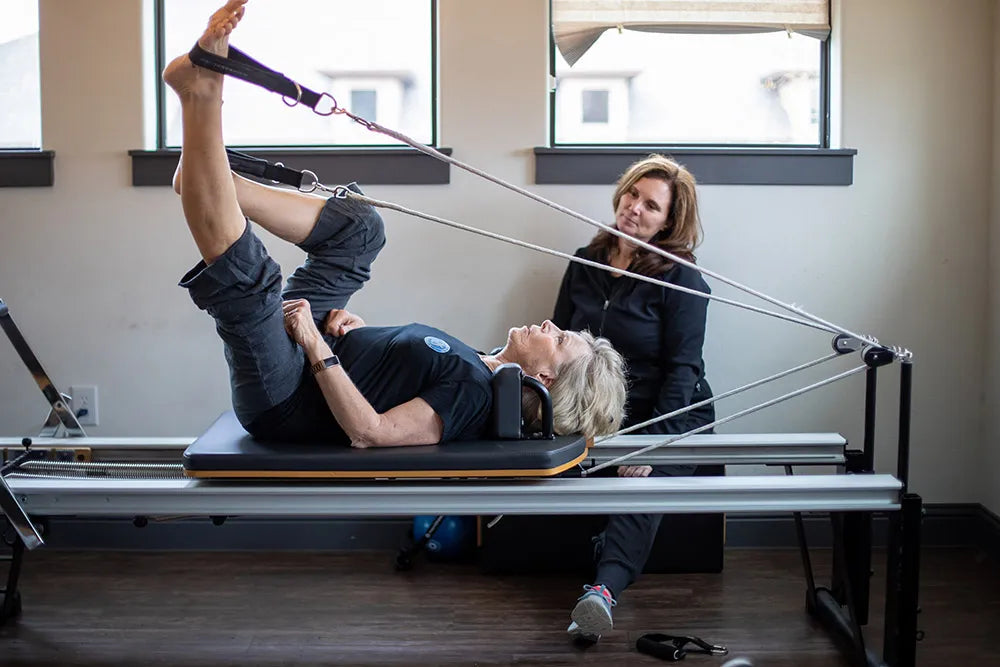
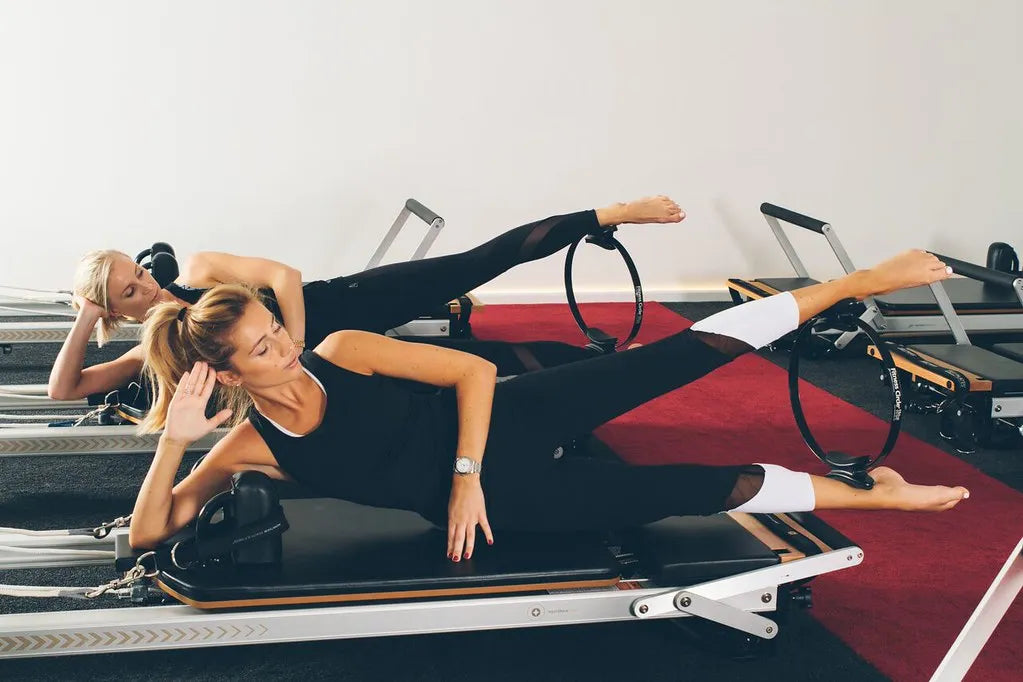
This is the flat platform you lie on. The challenge? It moves. Mounted on smooth wheels, the carriage glides with you, inviting balance, focus, and control. Stay present, and it becomes your partner in precision.
The Springs
These are the workhorses of the reformer. Unlike a dumbbell that always weighs the same, reformer springs provide progressive resistance. The farther you stretch them, the more support and challenge they offer. On the return, they encourage control and intention. Your job is to move with awareness through every phase of the exercise.
The Straps
You place these on your hands or feet and suddenly the reformer becomes interactive. Think less “puppet,” more “pilot.” They help you guide the movement, coordinate your limbs, and stay in control of your own strength and flow.
Is Reformer Pilates Hard? The Reality for Beginners
I read hundreds of reviews and tried it myself to answer this. The consensus? It looks easy until you’re on the machine.
So, is Reformer Pilates hard? Yes and no. You’re probably not going to be gasping for air like you just ran a marathon. But you are going to shake. We even have a name for it, “the Pilates shake.” It happens when your muscles are working overtime to stabilize the moving carriage, and your legs start vibrating in a very real way.
Can a Beginner Do Reformer Pilates?
Absolutely. Beginners do it every day. The key is letting go of ego and focusing on control instead of force.
Most awkward beginner moments don’t come from the exercises themselves, they happen when getting on or off the machine. Because the carriage moves, stepping off without controlling it or locking it can feel surprisingly unstable.
My advice: listen closely when the instructor explains how to mount and dismount the reformer. It’s not about strength, it’s about awareness.
What Does Reformer Pilates Feel Like? The “Mud” Sensation
People often ask what Reformer Pilates actually feels like. The best description? Unusual, in a good way.
When you press the carriage out, it can feel almost like floating, since you’re lying there rather than standing. Add heavier springs, and many people describe the movement as “pushing through mud.” The resistance feels thick and controlled. You work to push out, and you work just as intentionally to return.
Let the springs do the work for you, not against you. When you stay engaged on the return, the movement stays smooth, quiet, and controlled.
The Real Analysis: Benefits vs. Hype
What is reformer pilates good for? (Besides Instagram photos)
We know it looks cool, but what is reformer pilates good for in real life? Do you have that nagging lower back pain from sitting in an office chair or doom-scrolling on TikTok for hours? This fixes that. It’s not magic; it’s biomechanics. By working horizontally, you remove the gravity compressing your spine. But the springs force your "Powerhouse" (abs, back, butt) to work triple-time just to keep you stable. You leave the class feeling taller. You didn't grow; you just finally stopped slouching.
What’s the Point of Reformer Pilates If I Already Lift Weights?
The biggest difference is support.
In the gym, you’re responsible for stabilizing a load in open space. On the reformer, the springs support your limbs while still providing resistance. This opens the door to movements that would be difficult or impossible on the floor, allowing you to isolate muscles with more precision and less joint strain.
Think of the reformer as a system that helps you move better, not just lift heavier.
What is the benefit of reformer pilates for muscle tone?
Here is the science part without the boring lecture. What is the benefit of reformer pilates that gym rats love? It’s called Eccentric Contraction. In a bicep curl, you work when you lift. In Pilates, you work when you lengthen. You are resisting the springs pulling you back. This builds long, lean muscle fibers rather than bulky ones. It’s why dancers love it—it makes you strong without making you stiff.
The Cost: Is Reformer Pilates Worth the Investment?
Let’s talk about the reality, Reformer Pilates isn’t a budget hobby. It’s a premium form of movement, and the pricing reflects that.
What Does a Reformer Pilates Class Cost in 2026?
In 2026, wellness has continued to evolve, and so have studio experiences. Here’s what you can generally expect in major cities:
-
Drop-in class: $35–$55 USD
-
Monthly unlimited membership: $250–$400 USD
-
Private session: $100+ USD per hour
At first glance, that can feel steep compared to a low-cost gym membership. But you’re paying for more than access to a room. Reformer studios invest heavily in precision equipment, regular maintenance, and highly trained instructors who guide every movement, cue alignment, and help you move safely and effectively.
For many people, that level of attention is exactly what makes the experience worth it.
Studio Classes vs. Home Reformer: What to Consider
If you’re thinking, “I’ll just buy a reformer and follow online workouts,” that can absolutely be an option, but timing matters.
Space Matters
A full-size reformer is nearly eight feet long. It’s not something you casually slide into a corner. It’s a piece of equipment that deserves space, and planning for it matters, especially in smaller homes.
Technique Comes First
Pilates is precise by design. While the reformer is supportive, learning proper setup, alignment, and spring control makes a big difference in how effective and comfortable the practice feels.
Honest recommendation: most people benefit from taking at least a few in-studio sessions first. Understanding concepts like neutral spine, controlled resistance, and smooth transitions sets you up for a much better at-home experience later.
Once you know how the machine works with your body, investing in a home reformer becomes far more rewarding, and far more likely to be used.
FAQ: Questions you are too embarrassed to ask
What is a pilates reformer class actually like?
What is a pilates reformer class environment? It’s usually quiet, focused, and slightly intimidating at first. But there are unwritten rules you need to know to avoid being "that person":
-
Grip Socks: If you show up in regular socks, you will slip. If you show up barefoot, people will judge your hygiene. You must buy the socks with the rubber grips.
-
No Zippers: If your leggings have a zipper on the back pocket, you are banned. The upholstery on the carriage is expensive and zippers tear it.
-
Tight Clothes: Not for vanity. If you wear a baggy t-shirt and go upside down... well, everyone sees everything, and the shirt gets caught in the springs.
Is Reformer Pilates Worth Doing?
Yes. Despite the cost and the learning curve, the body awareness and control you develop are hard to replicate elsewhere. It’s one of the few training methods that builds strength, mobility, and coordination in a way that supports you for decades, not just months.
If you have the patience to learn and the willingness to invest, it’s worth it. Your future self, and your spine, will thank you.
Have a memorable reformer moment or deciding between machines for home? Drop a comment below and let’s talk. 👇